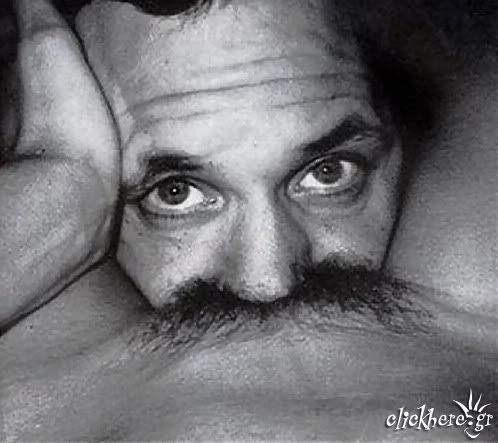
If you don't recognize this picture of a street corner in the L.E.S.; you're probably a misanthropic old douche and hate the notion of having fun (or you're this guy!). If you're fun-loving, but under 20 years old, I'll give you a pass on this one. I myself wasn't poopin' in my huggies when the Beastie Boys dropped this funky fresh 1989 classic, but I wasn't exactly old enough to give out moustache rides either(although they were!). Twenty years later Paul's Boutique may not be iconic in pop-culture, or known to your teenage cousins—except a certain song about "Ladies." That doesn't mean your cousins are lame though, it just means that this album should get more attention that it deserves. And just in time, the B-Boys have decided to re-issue it with 24-bit remastering, keeping the original artwork (this time in an eco-friendly digi-pack), and adding track-by-track commentary from each member—similar to DVD bonus features of directors wax self-indulging over their films. Mark your calenders: the 20th anniversary reissue of Paul's Boutique is out on January 27.
 "Fuck that!! This is the record, with no fucking single!... Fuck "Brass Monkey!" None of that fast-rapping commercial shit!"
—MCA, 1988
So I have been revisiting the album lately. Granted, the Beasties' lighthearted rhymes are certainly endearing, but the appeal to me is the production behind the punchlines. Paul's Boutique was a watershed in hip-hop. It changed the perception of sampling as an art form within electronic music, transcending genre and canonical aesthetic. Before Girl Talk et al, and the ubiquitous (shitty)mash-up, pop-culture had the perfect platform to exit an otherwise shit-tastic decade. Produced entirely by The Dust Brothers, Paul's Boutique was that very platform: a sound-art-collage of hundreds of samples, borrowing from funk, soul, disco, old school hip-hop, and 50s, 60s, 70s pop records. At the time of its release, there was little control on the publishing side of music over what you could and couldn't appropriate, interpolate, sample, re-edit or blatantly use in your music. When sound-tech companies made samplers, they largely failed to understand the implications of making music with other people's music. But The Dust Brothers fully understood the capabilities of their machines coupled with a good collection of wax, and paid little attention to possible lawsuits from the artists they were "ripping off." Twenty years later, their innovative hip-hop pastiche still remains influential amoung electronic artists and producers (read: Hollertronix, Cut Chemist, DJ Shadow, The Avalanches, The Go! Team, Girl Talk, A-Trak etc).